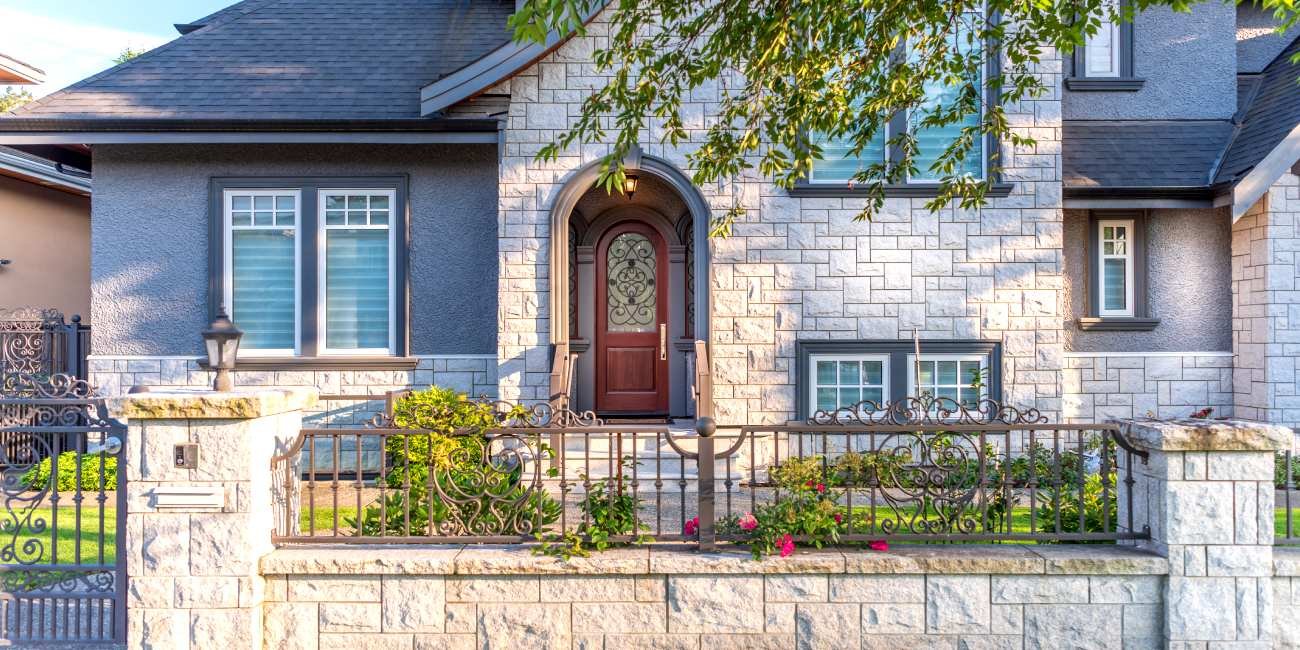
Buying your first home is one of the most exciting milestones in life. It represents stability, financial growth, and a place to create lasting memories. However, the home-buying process can be overwhelming, especially for first-time home buyers who may not be familiar with the steps involved.
Many first-time home buyer make avoidable mistakes that can lead to financial stress, missed opportunities, or buyer’s remorse. Understanding these common pitfalls can help you make informed decisions and enjoy a smoother path to homeownership.
First-Time Home Buyer Guide Canada: Avoid These Costly Mistakes
1. Not Getting Pre-Approved Before House Hunting
One of the biggest mistakes first-time home buyers make is starting their home search before getting mortgage pre-approval.
A pre-approval gives you a clear understanding of how much you can afford and demonstrates to sellers that you are a serious buyer. Without it, you risk falling in love with a home that is outside your budget or losing out to other buyers who are already financially prepared.
Why It Matters:
- Helps define your budget
- Strengthens your offer
- Speeds up the buying process
- Reduces surprises during financing
2. Ignoring Additional Homeownership Costs
Many buyers focus solely on the purchase price and monthly mortgage payments while overlooking other expenses.
Homeownership comes with additional costs such as:
- Property taxes
- Home insurance
- Utility bills
- Maintenance and repairs
- Legal fees
- Land transfer taxes
- Closing costs
These expenses can add up quickly and impact your monthly budget if not planned for in advance. For official guidelines and detailed information, check the Government of Canada website.
3. Spending Beyond Your Comfort Zone
Just because a lender approves you for a certain amount doesn’t mean you should borrow the maximum.
Purchasing a home at the top of your budget can leave little room for unexpected expenses, lifestyle goals, vacations, savings, or future investments.
Choose a home that fits comfortably within your financial situation rather than stretching your budget to its limits.
4. Skipping the Home Inspection
A home may look perfect on the surface, but hidden issues can be costly to repair.
A professional home inspection can reveal:
- Structural problems
- Roofing issues
- Plumbing concerns
- Electrical defects
- Water damage
- HVAC system problems
The relatively small cost of an inspection can potentially save thousands of dollars in future repairs.
5. Letting Emotions Drive Decisions
Buying a home is both an emotional and financial decision.
First-time home buyer often become emotionally attached to a property and ignore warning signs such as:
- Overpricing
- Poor location
- Needed repairs
- Limited resale potential
Take a step back and evaluate every property objectively. Focus on long-term value rather than short-term emotions.
6. Overlooking the Neighborhood
A great house in the wrong neighborhood may not be the right investment.
Before purchasing, research:
- School districts
- Commute times
- Public transportation
- Local amenities
- Future development plans
- Community safety
- Property value trends
Remember, you can renovate a home, but you cannot change its location.
7. Making Major Financial Changes During the Process
Once you’ve started the mortgage approval process, avoid:
- Applying for new credit cards
- Financing a vehicle
- Taking out personal loans
- Making large purchases
- Changing jobs unexpectedly
Lenders review your financial situation right up until closing. Significant changes can affect your mortgage approval and potentially delay or cancel your purchase.
8. Not Working with an Experienced Realtor
Many first-time home buyer underestimate the value of professional guidance.
An experienced real estate professional can help:
- Find suitable properties
- Negotiate effectively
- Identify red flags
- Explain contracts
- Coordinate inspections
- Guide you through closing
Having an expert by your side can save both time and money while reducing stress throughout the process.
9. Failing to Think About Future Needs
Your first home should meet both your current and future lifestyle needs.
Consider factors such as:
- Family growth
- Work-from-home requirements
- Commuting changes
- Resale value
- Long-term maintenance costs
Buying with the future in mind can help you avoid moving sooner than expected.
10. Rushing the Decision
The excitement of buying a first home can sometimes lead buyers to rush important decisions.
Take time to:
- Compare multiple properties
- Review all documents carefully
- Understand financing terms
- Evaluate neighborhoods
- Ask questions
Patience often leads to better decisions and greater satisfaction after closing.
Conclusion
Buying your first home is a major achievement, but it requires careful planning and informed decision-making. By getting pre-approved, setting a realistic budget, researching neighborhoods, conducting inspections, and working with a trusted real estate professional like Kadir Basrai, you can avoid many of the costly mistakes that first-time home buyers commonly make.
The right preparation today can help you enjoy a smoother buying experience and confidently step into homeownership. Whether you’re searching for your first condo, townhouse, detached home, or investment property, taking the time to make smart decisions will benefit you for years to come.
FAQs
1. How much down payment do I need to buy my first home in Canada?
The required down payment depends on the purchase price of the property. Many first-time home buyer can purchase a home with as little as 5% down, although larger down payments may reduce mortgage costs.
2. What is mortgage pre-approval?
Mortgage pre-approval is a lender’s estimate of how much money you may qualify to borrow. It helps establish your budget before you start looking at homes.
3. Should I always get a home inspection?
Yes. A home inspection can uncover hidden issues and provide valuable information about the property’s condition before you finalize the purchase.
4. How long does the home-buying process take?
The timeline varies, but from pre-approval to closing, the process can take several weeks to a few months depending on market conditions and financing requirements.
5. What are closing costs?
Closing costs include legal fees, land transfer taxes, title insurance, adjustments, and other expenses associated with finalizing a real estate transaction.
6. Why should I work with a realtor as a first-time buyer?
A realtor provides market knowledge, negotiation expertise, access to listings, and guidance throughout the buying process, helping you make informed decisions and avoid costly mistakes.